

Understanding Safety: Connecting Students and UMP

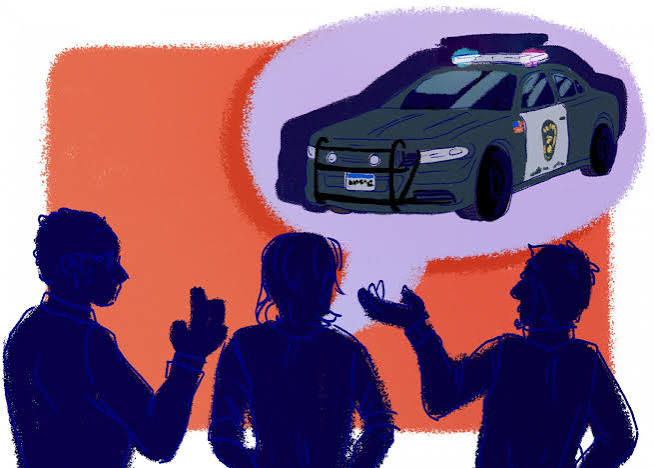
Campus safety is a high concern that affects a lot of UMN students. This is especially applicable to students who are walking around campus or nearby areas, such as Dinkytown, at night. Students are often the ones experiencing these situations firsthand, so their opinions and experiences are important when thinking about ways to improve safety. Having better communication between students and UMPD, MPD, and other first responders could help students feel more heard, safer, and supported. Creating more opportunities for students to share their concerns could also help first responders better understand what students truly need to feel safer.
Situations from a Student Perspective
One of the most common concerns observed in students about Dinkytown safety is in relation to nighttime activity, whether that be related to robbery, physical assault or battery, sexual harassment, gun violence, or other potential risks.
In emergency situations, first responders have to juggle many responsibilities. If the students involved (whether as victims or witnesses) feel that their questions went unanswered, they were not given clear enough guidance for next steps, or felt unable to share information they believe is important, they may end up feeling dissatisfied and even further shaken by the situation. This can be harder to avoid in a time-sensitive incident where responders’ may be understaffed and divided in their attention and resources. Feeling comfortable and heard by safety officials is critical for productive interactions during emergencies, so that everyone involved can successfully respond to the most immediate threat at hand.
Support for affected students also matters after the immediate danger has passed. It can make a world of a difference for an involved student if they feel the presence of genuine empathy and de-escalation during an officer interaction, such as while taking a witness statement or guiding the victims through what will happen next. It's worthwhile to add that feeling comfortable around law enforcement can be a concern in and of itself for students of certain demographics or with certain life experiences. This only re-emphasizes why visible, outward demonstrations of compassion and de-escalation are so important.
How Can Students Feel More Supported?
Feeling supported on campus starts with making sure students know their concerns are being heard. More consistent communication between students, UMPD, MPD, and other government responders could help build that connection. Student surveys, listening sessions, and forums could give students the opportunity to share their experiences and find areas where they would like to see change. A more visible safety presence in busy student areas, especially at night on weekends, could also really help students feel supported and most importantly safe!
Communication is extremely important after an incident occurs. Clear updates about what happened and where students can turn for help could reduce uncertainty and help students feel more informed. Many students may not be aware of the safety resources that already exist. Making those resources easier to find and regularly reminding students how to access them could help close that gap.
Practical Ways for Students and First Responders to Connect
Responsibility seems to fall more toward the university to check in on students’ psychological wellbeing in the days and weeks following a critical incident, rather than the police department (that is, if the student is not directly involved in a court case around the incident). This can create a gap where public safety officials have no way of knowing how situations could have gone differently. This is why creating a system of student feedback that the university can forward to public safety departments could be beneficial. Ideally, this could lead to adjustments in training and performance feedback that increases productive and supportive interactions, and prevents future interactions where students may feel brushed off or unheard.
These opportunities could help make student voices a bigger part of conversations about campus safety. Instead of communication only happening after an unsafe situation, students could connect with UMPD, MPD, and other first responders through listening sessions, student forums, surveys, or campus events. Doing so would give students a space to share their experiences, ask questions, and explain what would help them feel safer and more supported. Having these conversations regularly could also help students become more familiar with available safety resources while allowing first responders to better understand student concerns and suggestions.
Connection to Class
This connects to what we learned in class about reaching a target audience through multiple communication channels. For campus safety, students are the target audience, and relying on just one way of communicating is not an efficient way to reach everyone. Using digital and social media, campus events, public relations, and word of mouth could help UMPD and the university communicate safety information while also giving students more opportunities to share their experiences and concerns. Listening to the target audience helps organizations understand what matters to them and create solutions that better meet their needs. This connects to “Imagine We Could” by encouraging students to share what they would like campus safety to look like and using those ideas to create stronger communication and a more supportive campus community.
Call to Action
Student voices are an important part of creating a campus where everyone feels safe and supported. By sharing their experiences, concerns, and ideas, students can help UMPD and other first responders better understand what the campus community needs. Safety should be an ongoing conversation, and every student can play a role by thinking about what changes or resources would make a difference. What would make you feel safer and more supported around campus?


Great information!